The Silent Deal Killer: How to Vet an HOA’s Health Before You Invest
Like this article? Share it with your friends!

The Silent Deal Killer: How to Vet an HOA’s Health Before You Invest
Author: The Team at realestatecoach.guru
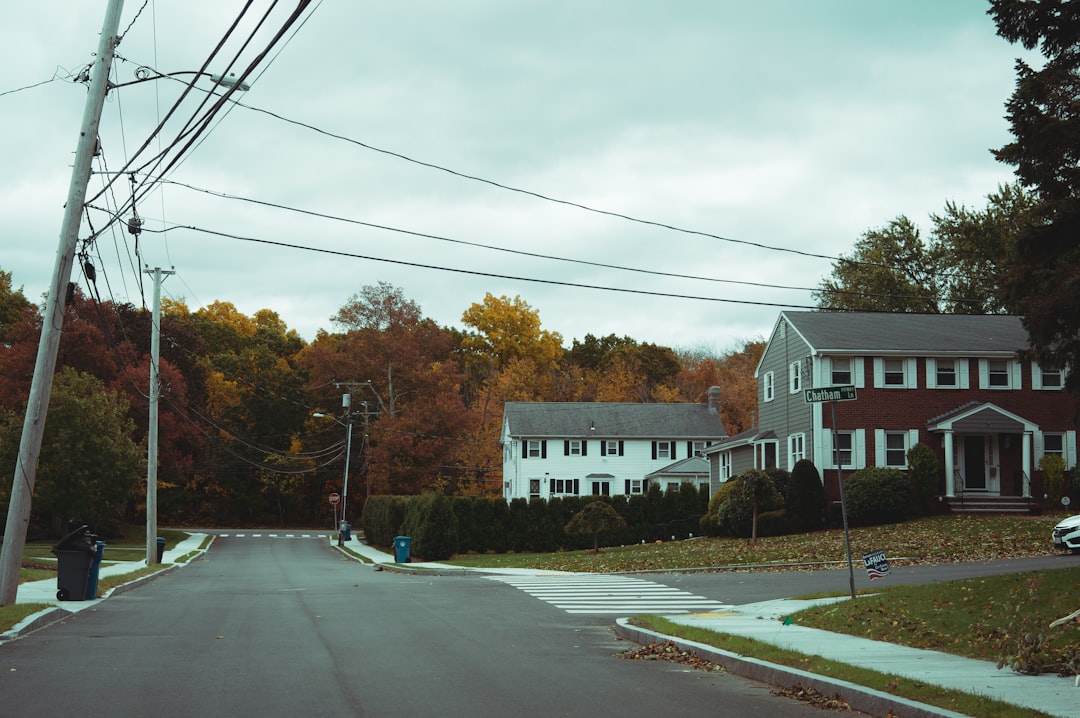
You’ve found it. The perfect home. It checks every box: great location, ideal layout, and a price that fits your budget. You’re ready to sign on the dotted line. But there’s a hidden partner in your investment you haven’t met yet, a partner with the power to impact your finances, your lifestyle, and the future value of your home: the Homeowners Association (HOA). A healthy HOA protects property values and maintains community standards, but a sick one can be a silent deal killer, draining your finances and your peace of mind long after you’ve unpacked the boxes.
Many buyers, caught up in the excitement of the purchase, overlook HOA due diligence. They focus on the four walls of the house, the roof, and the foundation, but neglect the health of the legal and financial entity they are about to join. This mistake can be costly, leading to surprise six-figure special assessments, frustratingly restrictive rules, and endless neighborhood conflicts.
At realestatecoach.guru, we provide high-value expertise to empower buyers and investors. We believe that understanding the business side of a community is just as critical as inspecting the physical foundation of a house. This guide will walk you through the exact steps on how to vet an HOA’s health before you invest, protecting what is likely your single largest asset.
Key Takeaways
- An HOA is a legal and financial entity; vetting its health is as crucial as a home inspection.
- The most critical documents to review are the budget, reserve study, meeting minutes, and Covenants, Conditions, and Restrictions (CC&Rs).
- Major red flags include underfunded reserves, high owner delinquency rates, and pending litigation against the association.
- Beyond the paperwork, talk to current residents and attend a board meeting to understand the community’s true culture.
- A knowledgeable real estate agent is your key partner in obtaining and interpreting these vital HOA documents.
TL;DR
To vet an HOA’s health, you must thoroughly review its core financial and governing documents. Focus on the reserve fund’s adequacy, the history of special assessments, and any signs of conflict in the meeting minutes. A financially weak or poorly managed HOA is a “Silent Deal Killer” that can destroy your investment.
An HOA is not just a neighborhood committee; it’s a financial and legal entity that can significantly impact your property value and quality of life.
When you buy a property governed by an HOA, you are not just buying real estate; you are becoming a shareholder in a small corporation. The volunteer board members are the directors, your monthly or annual dues are your capital investment, and the common areas are the shared assets. This partnership has a profound two-fold impact on your life.
- Financial Impact: The HOA is a business. It manages a budget, holds significant cash assets in reserve accounts, and has the legal authority to levy fees against you. More importantly, it can place a lien on your property for unpaid dues and, in many jurisdictions, even foreclose on your home. Its financial health directly determines whether your property value is protected or at risk from sudden, massive repair bills.
- Lifestyle Impact: The HOA’s governing documents, primarily the CC&Rs, dictate what you can and cannot do with the property you own. These rules can govern everything from the color you’re allowed to paint your front door and the type of landscaping you can plant to where you can park your car and whether you can rent out your home. Ignoring these rules can lead to fines and legal action.
The official HOA documents provide an unbiased, factual look into the community’s financial health, governance, and potential future liabilities.
During the escrow period of your home purchase, you are legally entitled to receive a package of HOA documents. This stack of papers is not junk mail to be skimmed over; it is your primary source for conducting critical due diligence. Think of it as the annual report for the corporation you are about to invest in. Here’s what you need to dissect.
The Operating Budget: Where is Your Money Going?
The operating budget details the HOA’s projected income (from owner dues) and expenses for the year. Look for a budget that appears realistic and comprehensive. Does it account for all common expenses like landscaping, insurance, management fees, and utilities for common areas? Compare the current budget to those from the previous two years. Are dues increasing at a reasonable rate, or are there sudden, drastic spikes? A huge jump in a line item like “insurance” or “repairs” could signal an underlying problem that needs further investigation.
The Reserve Study: The Crystal Ball for Future Costs
The Reserve Study is arguably the most important financial document in the HOA package. It is a long-term capital budget and planning tool that identifies the community’s major shared assets (e.g., roofs, elevators, roads, pools, siding), estimates their remaining useful life, and calculates the cost of their eventual replacement.
The most critical number in this report is the “Percent Funded.” This metric tells you how the amount of cash currently in the reserve account compares to the depreciated value of all the community’s assets. While requirements vary, industry experts from the Community Associations Institute generally recommend that a reserve fund be at least 70% funded to be considered financially healthy. A fund that is below 30% funded is a colossal red flag, signaling a very high probability of a future special assessment to cover a major repair.
The Meeting Minutes: The Inside Scoop on Community Politics
If the budget and reserve study are the financials, the meeting minutes are the unvarnished story of the community’s culture. By reading the minutes from the last 6-12 months of board meetings, you can uncover the human element of the HOA. Look for recurring themes:
- Are homeowners constantly complaining about the same unresolved maintenance issue?
- Are there heated debates, personal attacks, or signs of a dysfunctional board?
- Is there frequent discussion of raising dues or levying a special assessment?
- Are there mentions of legal disputes or high numbers of rule violations?
This is where you’ll discover if the community is harmonious and proactive or contentious and reactive.
The CC&Rs and Bylaws: The Rules of the Game
These are the legal documents that define the powers and obligations of the HOA and the rules that all owners must follow. Do not just skim them. You must read them carefully to ensure you can live with the restrictions. Pay close attention to rules that could directly impact your lifestyle or investment goals:

- Pet Restrictions: Are there limits on the number, size, or breed of pets?
- Rental Caps: Is there a limit on the number of homes that can be rented out? This is critical for investors. Some HOAs have long waiting lists to get a rental permit.
- Architectural Guidelines: What are the rules for fences, satellite dishes, solar panels, or home additions?
- Parking Rules: Are there restrictions on commercial vehicles, RVs, or the number of cars you can have?
Understanding these rules upfront prevents major headaches and potential fines down the road. For a broader look at real estate documents and processes, you can explore the various resources available across our site.
Identifying specific red flags, such as underfunded reserves or high delinquency rates, is the most effective way to avoid a financially unstable HOA.
Now that you know which documents to review, you need to know what warning signs to look for. These are the clear signals of a “Silent Deal Killer” that should make you pause and reconsider your investment.
Financial Red Flag #1: Underfunded Reserves
This cannot be overstated. An HOA with a reserve fund that is less than 30% funded is a ticking financial time bomb. When a major component like the roof or the asphalt fails and there isn’t enough money saved, the board has only one option: to pass the cost directly to the homeowners through a special assessment. This can be a one-time bill for thousands or even tens of thousands of dollars per owner. A well-managed board understands that navigating large-scale replacements requires careful financial planning, not emergency measures.
Financial Red Flag #2: High Delinquency Rate
Look in the budget or financial statements for a line item on “accounts receivable” or “delinquent dues.” This shows how much money the HOA is owed by owners who are not paying their dues. A high delinquency rate (generally over 10-15% of total annual assessments) is a major sign of financial distress. It means the HOA isn’t collecting enough revenue to cover its operating expenses, forcing the paying owners to subsidize their non-paying neighbors and potentially leading to deferred maintenance and service cuts.
Legal Red Flag #3: Pending Litigation
The HOA disclosure documents must reveal any pending lawsuits involving the association. Whether the HOA is suing a contractor for faulty work or a homeowner is suing the board over a rule enforcement issue, any ongoing litigation is a significant liability. Lawsuits are expensive, and the costs for legal fees and potential judgments are passed on to all homeowners through increased dues or special assessments.
Governance Red Flag #4: High Board Turnover or Frequent Fines
Check the meeting minutes for board member resignations. Constant churn on the board can signal a toxic political environment, infighting, or a general unwillingness of residents to serve, all of which point to poor management. Similarly, if the financial reports or minutes show a long list of fines being levied against homeowners, it could suggest an overly aggressive or “power-tripping” board that governs by intimidation rather than by community consensus.
Proactively requesting HOA documents and speaking with residents are essential steps in your due diligence process, often facilitated by your real estate agent.
A great real estate agent doesn’t just unlock doors to houses; they act as your investigative partner in the transaction. This is where the expertise we champion at realestatecoach.guru becomes invaluable. Your agent should know exactly how to request the full HOA package and have the experience to help you decipher the complex information within. The team of experts at our firm is dedicated to this level of thorough representation.
How to Formally Request the Documents
The process for obtaining the HOA package is typically handled by the seller’s agent and the escrow or title company once you are under contract to purchase the home. Crucially, your purchase offer should include a contingency period (e.g., 10-17 days) specifically for you to review these documents. This gives you a legal window to back out of the deal without penalty if you discover red flags that make the investment untenable.
Who to Talk To: Get Off the Paper and Into the Community
The documents tell one side of the story, but the people tell the other.
- The Board President or Treasurer: If possible, ask your agent to arrange a brief call. Prepare a short list of questions. Ask about the reserve fund, any large projects planned for the next five years, and the general morale of the community. Their willingness to speak with you and their transparency are telling.
- Your Potential Neighbors: This is the ultimate source of candid information. Take a walk through the neighborhood on a weekend afternoon. Strike up a conversation with people you see gardening or walking their dogs. Ask them directly: “How do you like living here? Is the board reasonable to deal with? Have there been any issues I should know about?” Their unfiltered answers are worth their weight in gold.
A truly comprehensive HOA assessment goes beyond financial documents to evaluate the community’s culture and the board’s effectiveness.
The final layer of your investigation should be a qualitative “vibe check” of the community. Financial stability is paramount, but so is the quality of life.
- Observe the Physical Condition: Drive, walk, or bike through the entire community. Are the common areas—landscaping, pools, clubhouses, playgrounds—clean and in good repair? Are building exteriors well-maintained? Widespread deferred maintenance like cracked pavement, peeling paint, or dead landscaping is a physical red flag that often points directly to financial trouble.
- Attend a Meeting (If Possible): This is the single best way to see the board in action. Is the meeting run professionally and efficiently, or is it a chaotic shouting match? Do board members treat residents with respect? Observing the dynamic firsthand provides insight you can’t get from any document.
- Review the Newsletter or Community Website: Look for evidence of proactive communication and community engagement. A well-maintained website, a regular newsletter, and announcements for community events are signs of an engaged and effective board. A total lack of communication is often a symptom of a disengaged or dysfunctional one. You can browse different categories of real estate knowledge to learn more about what makes a community thrive.
Protecting Your Investment from the Inside Out
Buying a home in an HOA-governed community is a major investment in both a piece of property and a shared corporation. Performing thorough due diligence on the HOA’s health is not an optional step—it is a critical, non-negotiable part of protecting that investment. The “Silent Deal Killer” is only silent to those who aren’t listening and aren’t looking in the right places.
By following this framework, you move from being a passive buyer to an informed investor. At realestatecoach.guru, our entire mission is to provide you with the tools and expertise to make smart, confident real estate decisions. By digging into the documents, identifying the red flags, and talking to the people, you can ensure your dream home doesn’t come with a nightmarish hidden partner.